Understanding Plant-Based Supplements
An educational resource exploring the world of plant-based supplements and their role in daily wellness routines for men. This platform provides general information about natural ingredients, cultural contexts, and everyday practices.
Herbalis serves as an informational hub, offering neutral and educational content without medical advice or product recommendations.
Explore General Information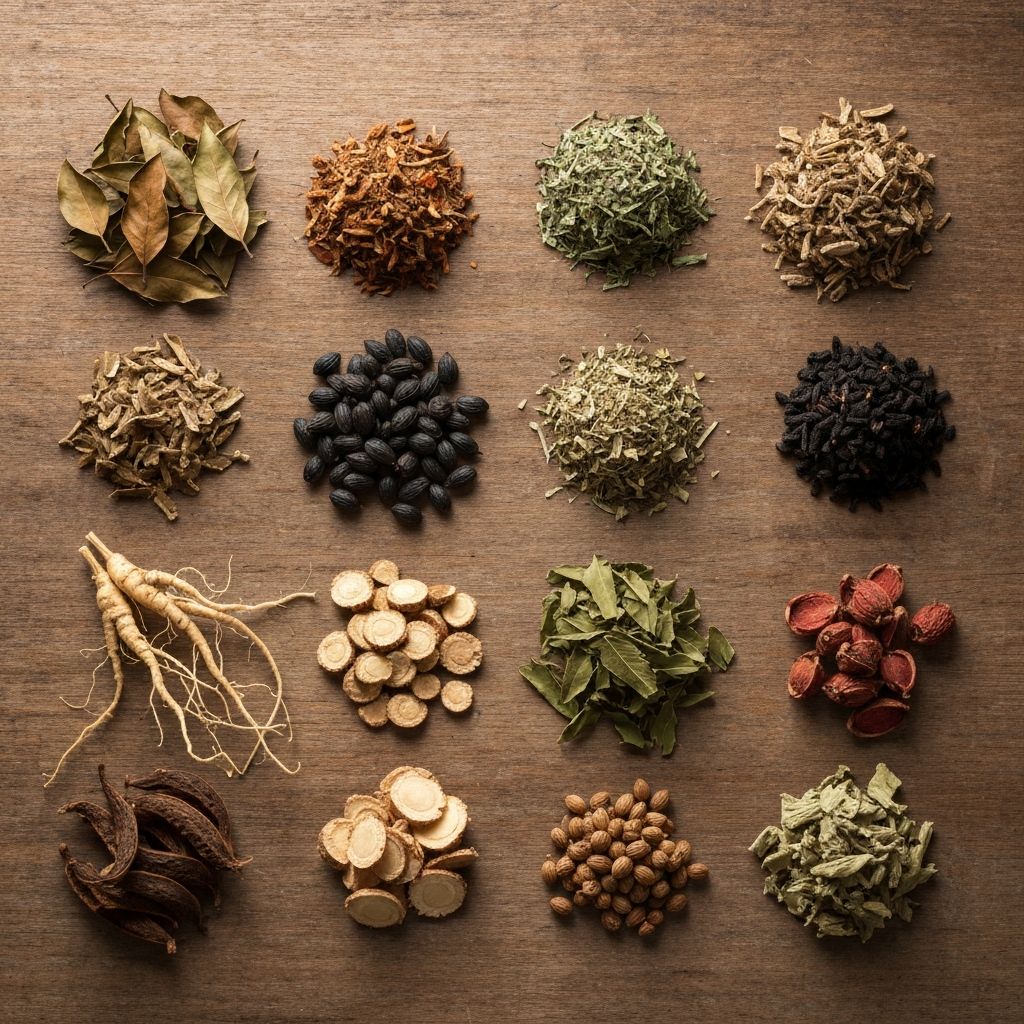
Introduction to Plant-Based Supplements
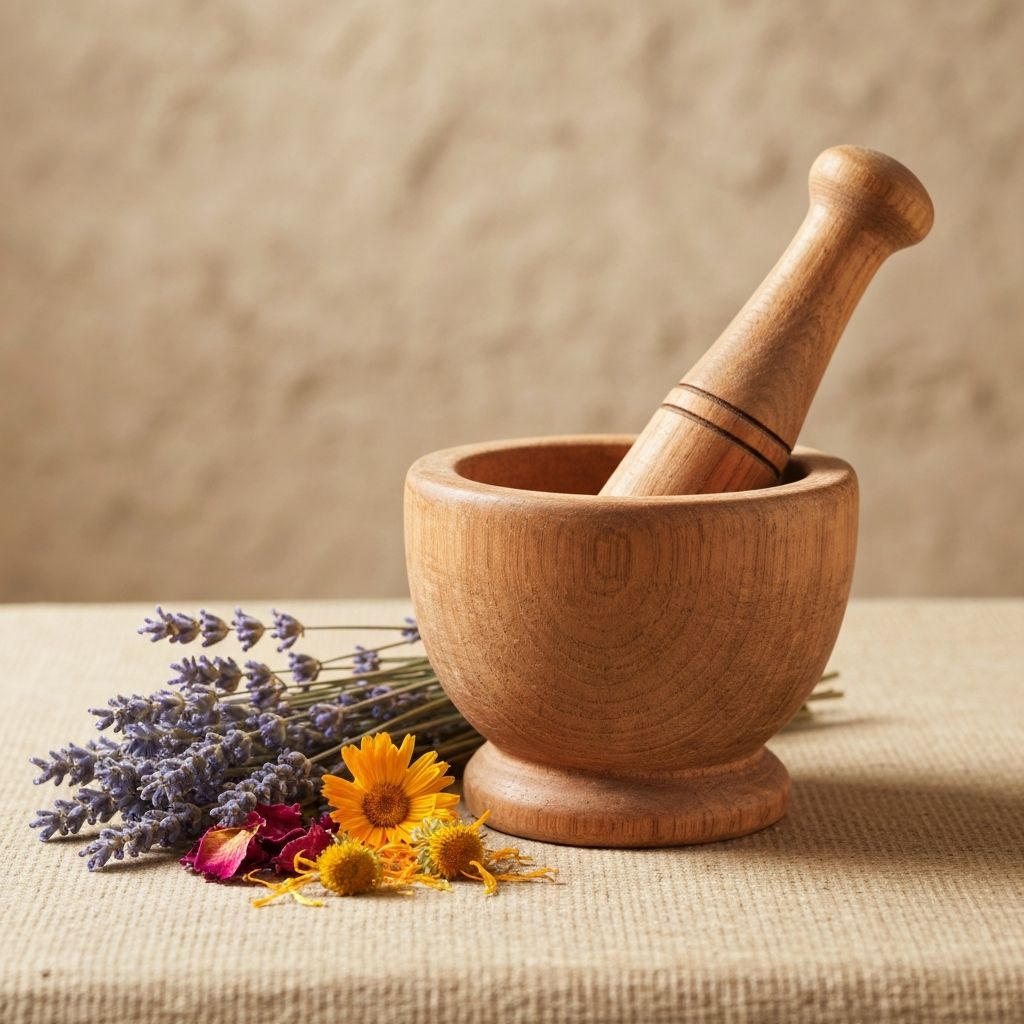
Plant-based supplements encompass a broad category of products derived from botanical sources. These include extracts, powders, and preparations made from roots, leaves, bark, seeds, and other plant parts that have been used across various cultures throughout history.
The interest in plant-based supplements reflects a wider cultural movement toward understanding traditional practices and natural ingredients. Different societies have developed unique approaches to incorporating plant materials into daily routines.
This educational resource aims to provide general information about these botanical preparations, their historical contexts, and how they fit within broader wellness conversations, without making claims about specific outcomes or benefits.
Nutritional Components Overview
Plant-based supplements contain various naturally occurring compounds. Understanding these components provides context for why certain plants have been traditionally valued across different cultures.
Phytochemicals
Natural chemical compounds produced by plants, including flavonoids, alkaloids, and terpenes. These substances contribute to plant characteristics such as color, taste, and aroma.
Vitamins
Organic compounds that plants naturally synthesize. Various botanical sources contain different vitamin profiles, contributing to their traditional uses in different cultures.
Minerals
Inorganic elements absorbed by plants from soil and water. Different plant species accumulate varying mineral content based on growing conditions and species characteristics.
Fiber Content
Plant-derived dietary fiber found in many botanical preparations. The fiber content varies significantly among different plant materials and preparation methods.
Traditional and Cultural Contexts
Throughout history, various cultures have developed their own approaches to using plant materials. These traditions reflect local botanical knowledge, environmental factors, and cultural beliefs passed down through generations.
In Southeast Asia, including Indonesia, traditional practices involving plant materials have been documented for centuries. These practices often combine multiple botanical ingredients and are integrated into daily routines and cultural ceremonies.
Understanding these cultural contexts provides valuable perspective on how different societies have approached plant-based preparations. However, traditional use does not constitute scientific validation, and cultural practices vary significantly between regions.
This educational content presents these traditions as historical and anthropological information, acknowledging the diversity of approaches without endorsing any particular practice.
Everyday Wellness Routines
Many individuals incorporate various practices into their daily lives as part of general wellness routines. The following information describes common approaches without recommending specific actions.
Morning Practices
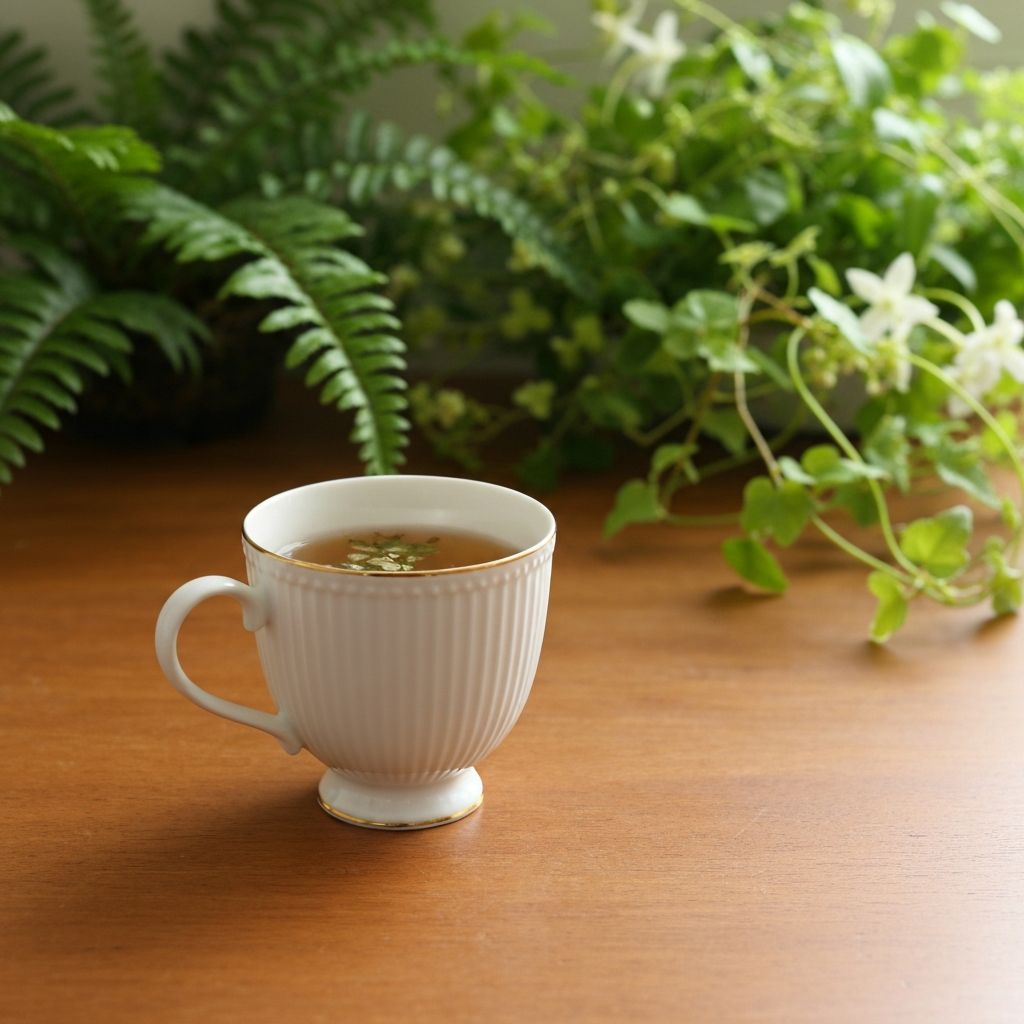
Some people include botanical preparations as part of their morning routines. These practices vary widely based on individual preferences, cultural background, and personal habits. Morning routines often focus on establishing consistent daily patterns.
Midday Considerations
Daily wellness routines may include various activities throughout the day. Some individuals prefer to space their practices, while others consolidate them. The timing of daily habits is often based on personal schedules and preferences rather than specific guidelines.
Evening Habits
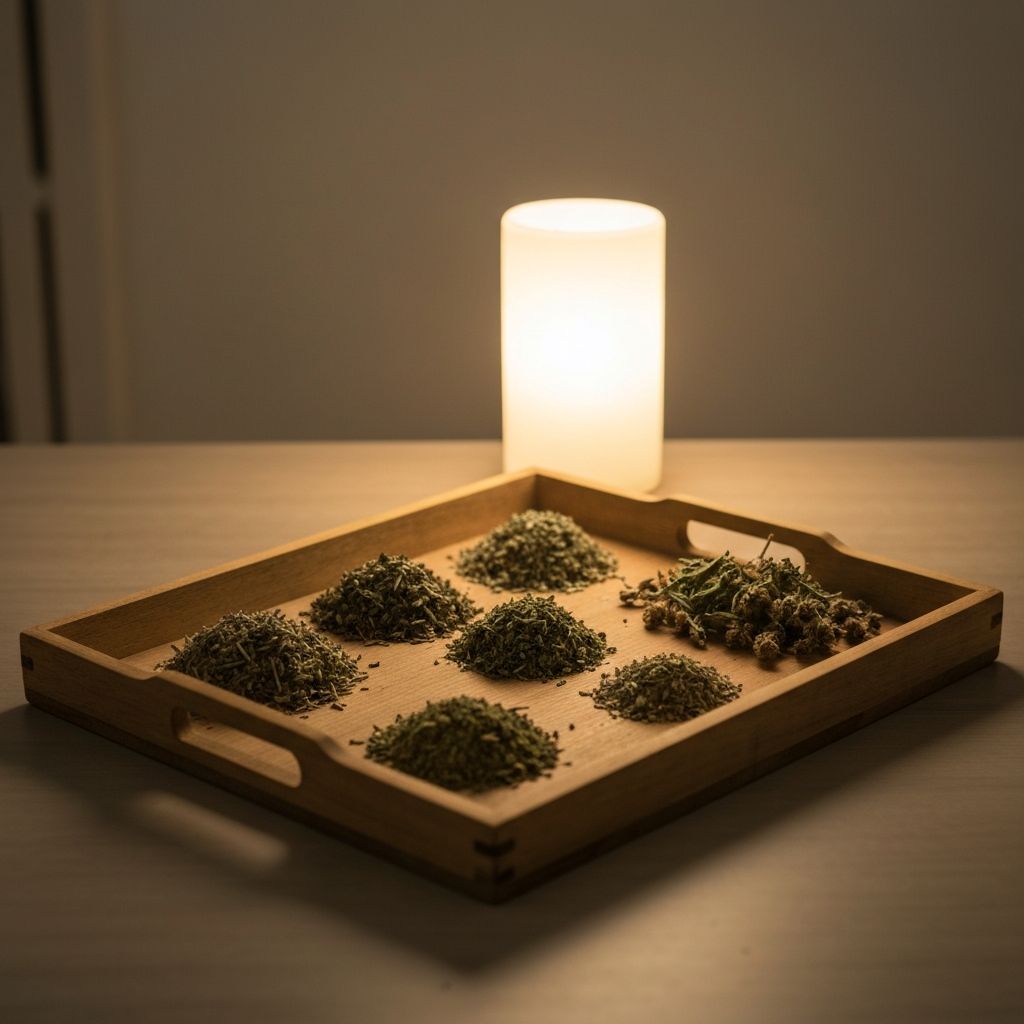
Evening routines may differ from morning practices. Some traditions emphasize winding down activities, while others maintain consistent practices throughout the day. Individual approaches to evening wellness vary considerably.
Common Plant-Based Ingredients
The world of plant-based supplements includes numerous botanical ingredients. The following descriptions provide general educational information about commonly discussed plant materials.
Root-Based Materials
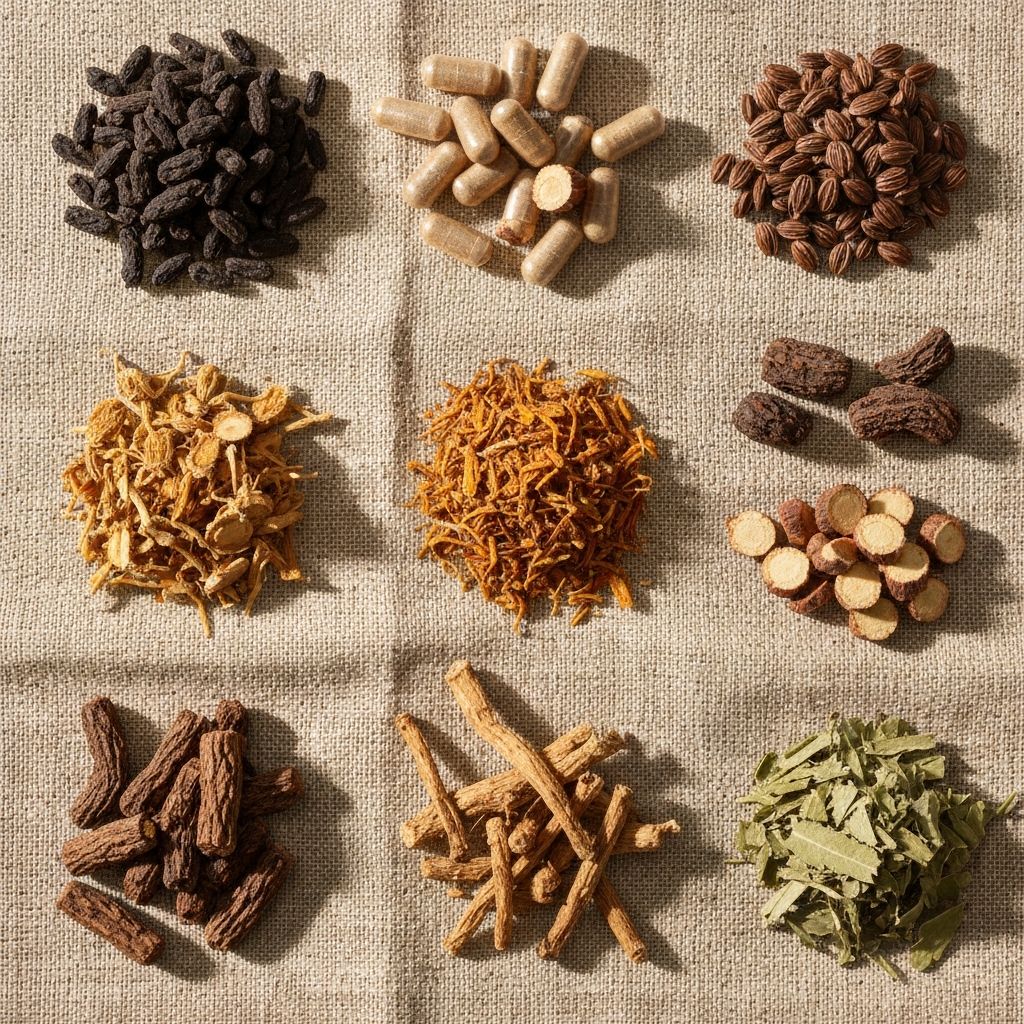
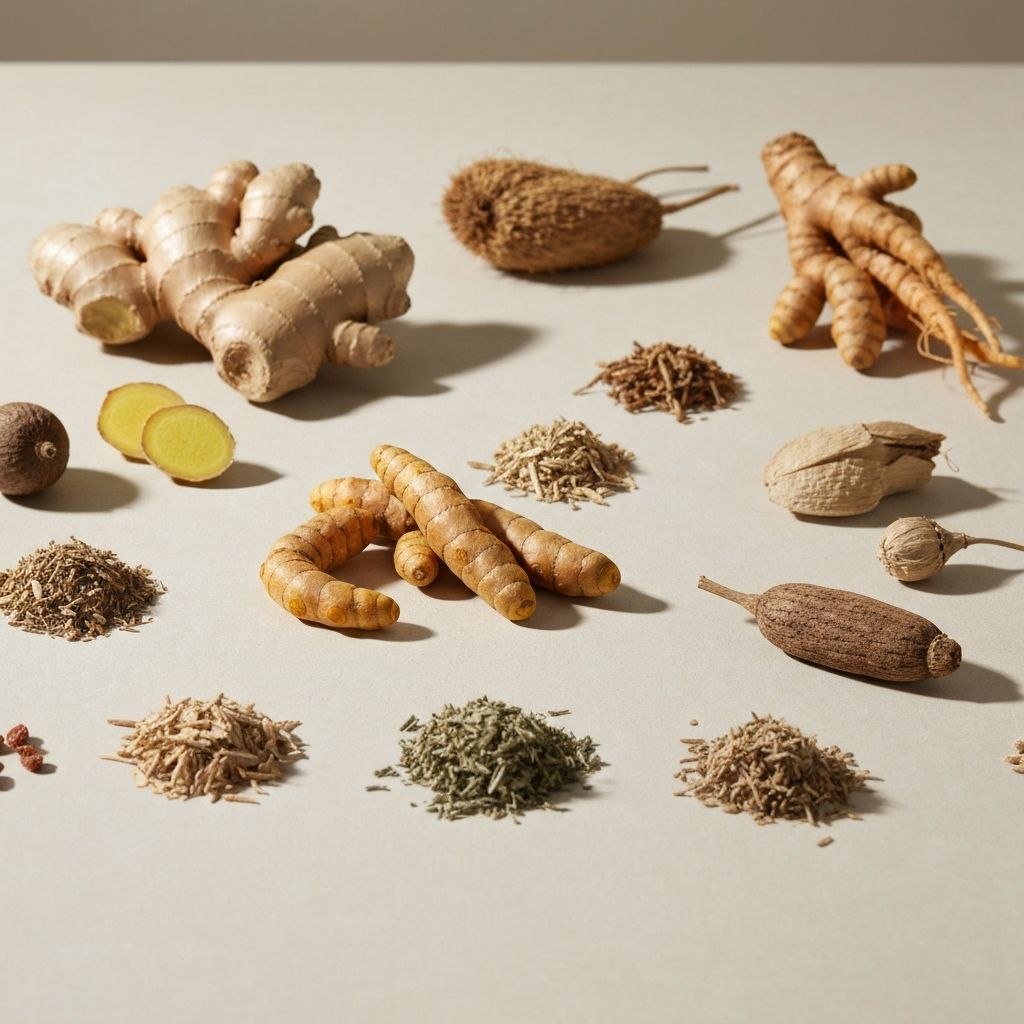
Various plant roots have been traditionally used across cultures. These include ginger, turmeric, and numerous regional varieties. Root preparations are often processed through drying, grinding, or extraction methods.
Leaf and Herb Preparations
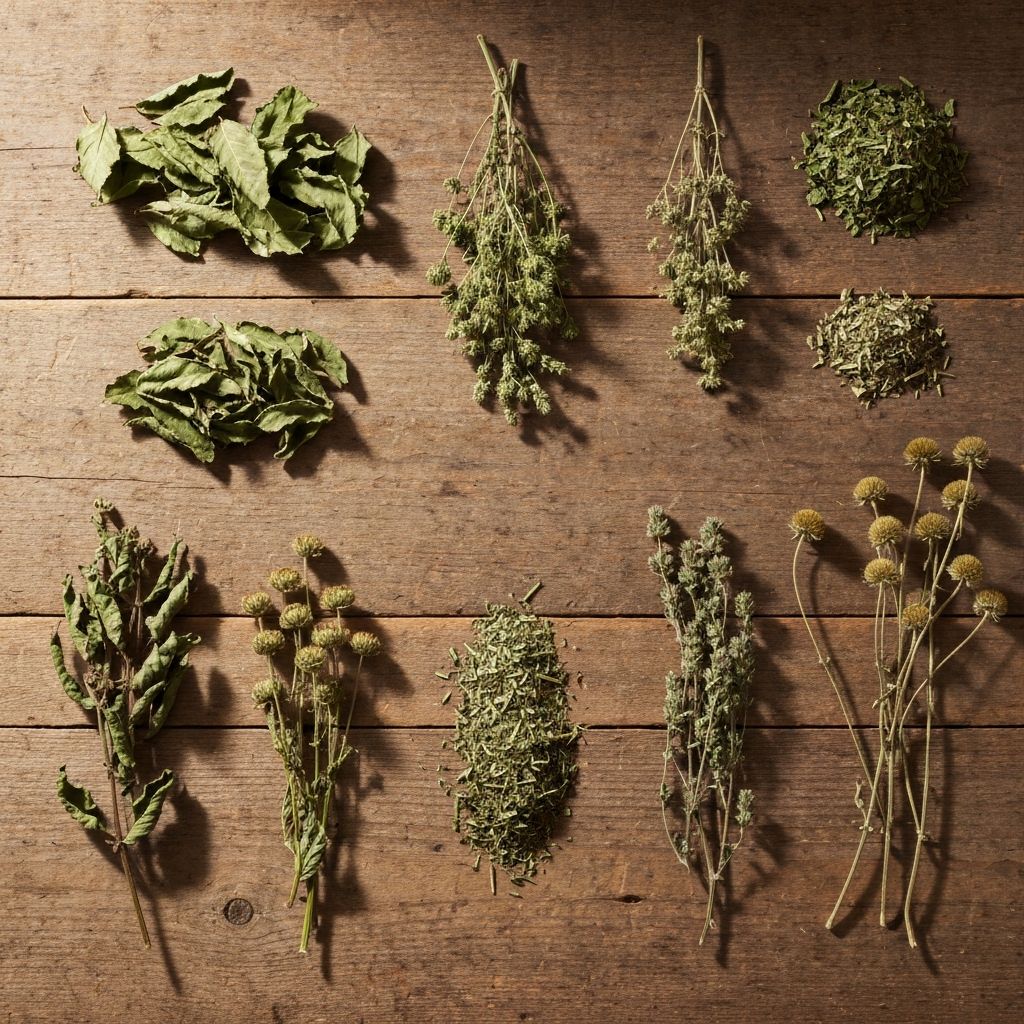
Leaves and aerial parts of plants form another category of botanical ingredients. Green tea, various mints, and regional herbs are examples of leaf-based materials used in different cultural contexts.
Seed and Fruit Components
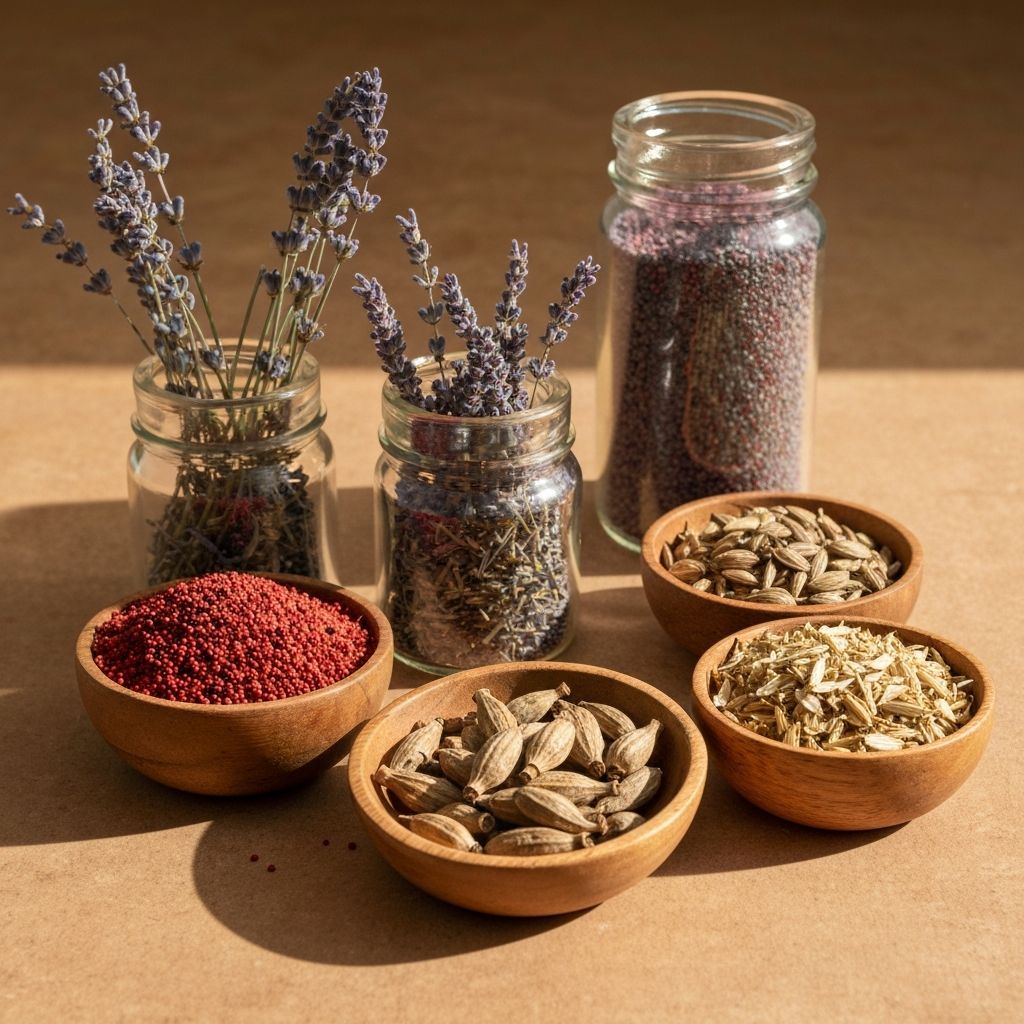
Seeds, berries, and fruits from various plants are also included in botanical preparations. These may be consumed whole, ground, or processed into extracts depending on traditional practices.
Neutral Information About Supplementation
Understanding plant-based supplements requires acknowledging both the breadth of available information and its limitations. This section provides general context without advocating for any particular approach.
Diversity of Approaches
People approach plant-based supplements in many different ways. Some focus on traditional preparations, while others prefer modern extraction methods. There is no single correct approach, and individual choices depend on personal preferences, cultural background, and access to information.
Information Sources
Information about plant-based supplements comes from various sources, including traditional knowledge, cultural practices, and scientific research. Each source has its own context and limitations. Critical evaluation of information is important when exploring this topic.
This educational resource does not endorse specific products, brands, or approaches. The information presented is intended to provide general context and encourage informed individual decision-making in consultation with appropriate professionals.
Limits of Informational Content
About This Educational Resource
Herbalis is an informational platform that provides educational content about plant-based supplements and wellness topics. The materials presented here are for general informational purposes only.
No Personalized Recommendations
This website does not provide personalized advice, recommendations, or guidance. The content is general in nature and does not account for individual circumstances, conditions, or needs. Nothing on this site should be interpreted as personal advice.
Diversity in Daily Life
Approaches to daily wellness vary significantly among individuals and across cultures. What works for one person may not be appropriate for another. This diversity is normal and reflects the complexity of human experience and individual differences.
Professional Consultation
For matters related to personal health and wellness, individuals should consult with qualified professionals who can provide personalized guidance based on individual circumstances.
Frequently Asked Questions
What is the purpose of this website?
Herbalis serves as an educational resource providing general information about plant-based supplements, their cultural contexts, and their role in daily wellness discussions. The site does not sell products or provide personalized advice.
Does this site provide medical advice?
No. This website provides educational and informational content only. It does not provide medical advice, diagnoses, or treatment recommendations. For health-related concerns, please consult qualified healthcare professionals.
Are there products for sale on this website?
No. Herbalis is purely an informational resource. We do not sell, distribute, or recommend specific products, brands, or services.
How should I use the information on this site?
The information provided should be used for general educational purposes. It can serve as a starting point for learning about plant-based supplements, but should not replace professional guidance or personal research.
Why focus on men's wellness?
This educational resource focuses on providing context relevant to discussions about men's general wellness routines. The information presented is educational in nature and does not make claims about specific outcomes for any group.
Contact Information
Send a Message
Have questions about our educational content? Reach out to us.
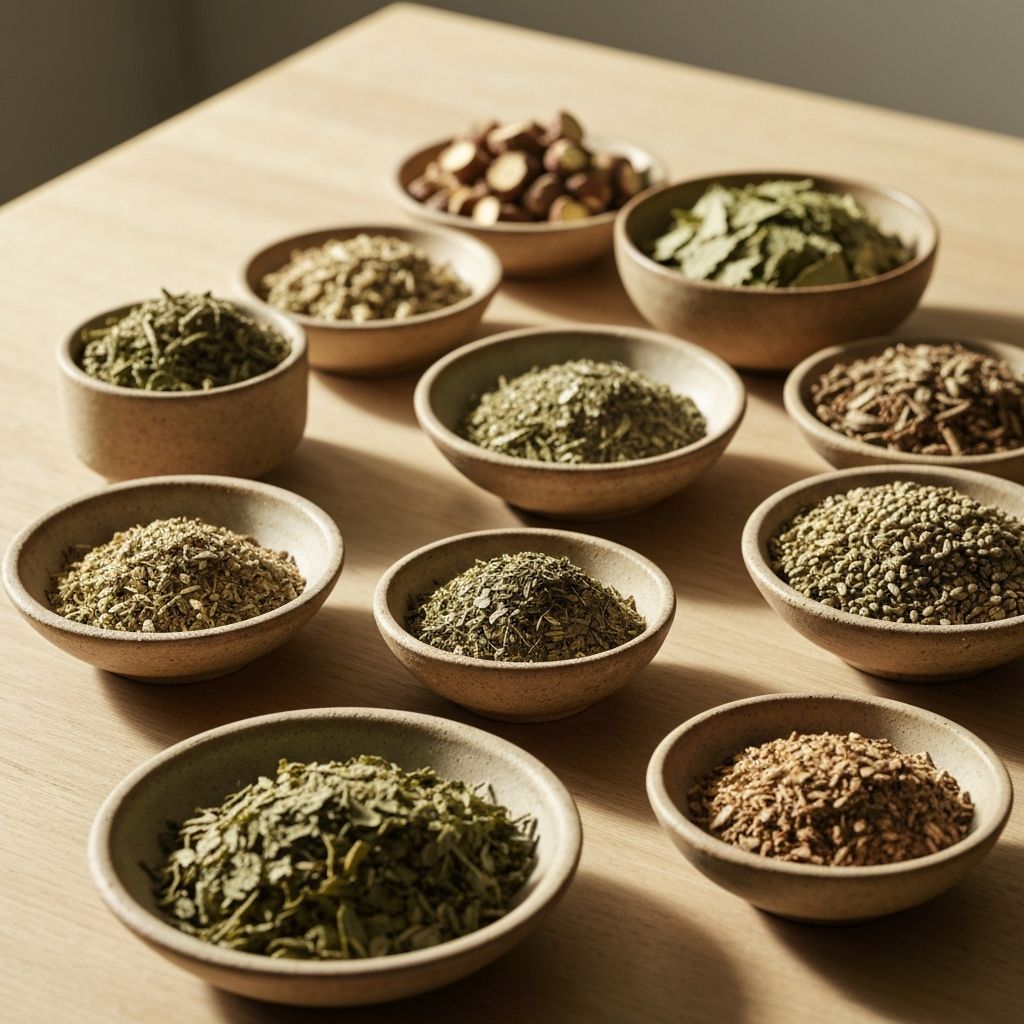
Visual Examples of Plant Materials
The following images illustrate various plant materials commonly discussed in the context of botanical supplements. These are presented for educational purposes only.
Continue Learning
Explore more educational content about plant-based supplements and general wellness information. Our resources are designed to provide neutral, informational perspectives on botanical topics.
Read More About This Resource